
Comparing EV Infrastructure in BC vs. Other Provinces: Where Do We Stand?
Comparing EV Infrastructure in BC vs. Other Provinces: Where Do We Stand?
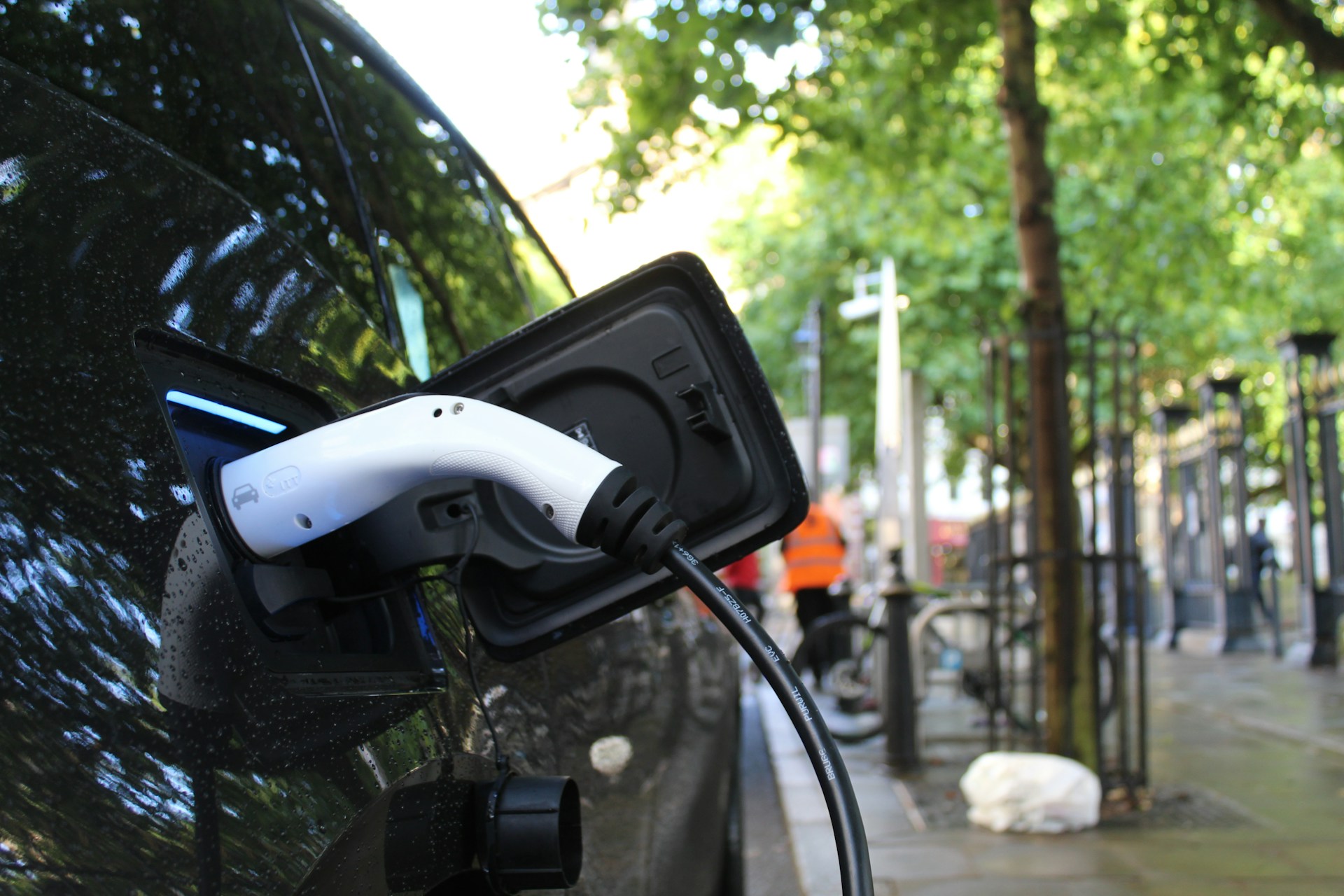
Electric vehicle charging stations are showing up in more places across Canada, but some areas move faster than others. Rules, funding, and public interest all shape how quickly EV infrastructure grows. In British Columbia, especially in Vancouver, we’ve seen steady progress. New chargers are becoming easier to find in homes, parking lots, and multi-unit buildings.
For anyone exploring EV charging services in Vancouver, it helps to understand how BC’s setup compares to other provinces. From building codes to rebate programs, the differences across Canada can affect how easy or hard it is to move forward with a charger install.
How BC Leads in EV Charging Infrastructure
British Columbia made early moves that helped it stay ahead of the curve. Public programs and policy decisions made it easier for homeowners and property managers to start planning EV charging sooner, rather than waiting for national rules to catch up.
BC’s support came early through provincial rebates, green infrastructure grants, and city plans focused on climate
Energy goals tied to gas vehicle phaseout timelines helped increase demand for chargers
Some cities started requiring new builds to be EV-ready, and those small steps added up over the years
Electric Asset Inc. has assisted Vancouver properties with end-to-end EV charging installation since municipalities first made EV-ready wiring a standard. The company keeps projects up to date with province-specific rebates and load management tools that suit mixed-use or condo sites.
Home charging in BC is far more common now, and multi-unit service is growing too. Condo boards and building managers had help from city rules that were clearer earlier than in other parts of Canada.
How Other Provinces Are Catching Up
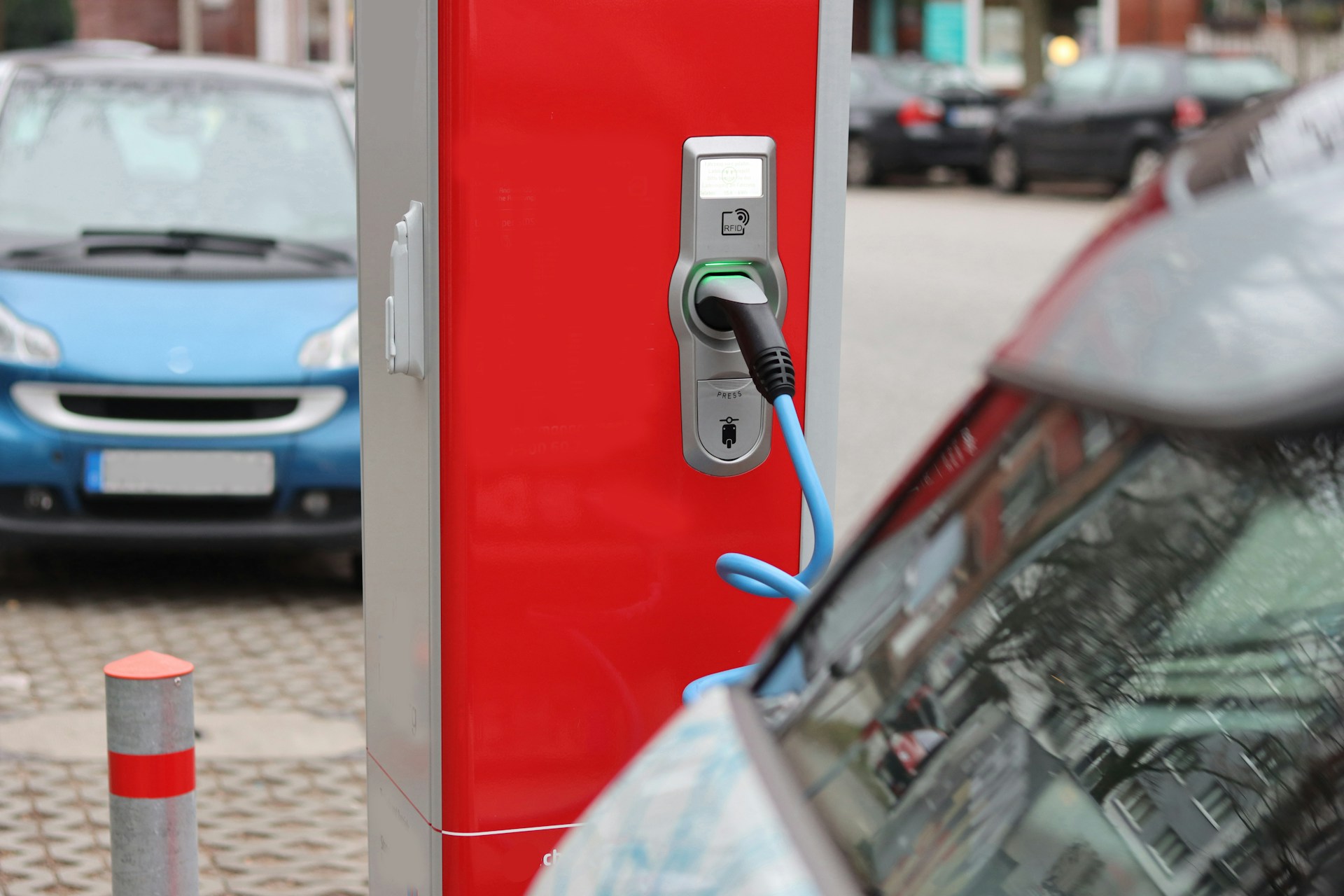
Quebec and Ontario have both stepped up their EV plans over the last few years. In parts of those provinces, we’re seeing more public stations pop up, especially near high-traffic areas or in major cities.
Quebec is putting effort into both highway coverage and home charging support
Ontario started adding incentives and installation guides for larger buildings
In the Prairies or rural northern areas, geography and extreme weather slow things down
Each province has its own limits. The size of the land, strength of the electrical grid, and how spread out communities are all affect how fast things move. But many are now trying to speed up charging access, just on different paths.
What Makes Vancouver Different
Vancouver has a few things working in its favour. One is the strong push citywide for clean transportation. The city set targets early and backed them up with building rules and support for home installs. There’s also more multi-unit living here than in many other places in Canada, so public and semi-private charging has been a bigger focus.
Vancouver requires EV-ready options in most new residential buildings
Smart energy planning makes it easier to add shared chargers without major upgrades
As rules got clearer, EV charging services in Vancouver became more active, focusing on installations that fit the city’s layout and housing mix
Electric Asset Inc. supports local property managers, stratas, and small businesses by providing custom solutions that align with current city requirements, making it easier to set up new chargers or expand existing networks.
The city’s strong direction helped shape a more workable setup, especially in condos or mixed-use spaces where parking access is shared.
Comparing Provincial Policies and Public Support
Across the country, the mix of rules, timelines, and incentives is wide. Some provinces offer rebates for rooftop solar or charger installs, while others focus more on EV vehicle subsidies. The levels of support and how long they last can shift depending on local budgets or political changes.
BC tends to link EV growth with its wider environmental goals, like reducing emissions and promoting solar
Quebec often leads in hydro power plans and builds public stations using that grid
Ontario has urban plans pushing for more chargers but fewer universal building code changes
Public interest makes a difference too. In some places, local governments respond more to resident demand. Urban planning and climate targets help push cities to act faster, especially when building approvals come into play.
Where Gaps and Opportunities Remain
Even in a province like BC, there are still parts that don’t have much charging access. Rural highways, older apartment buildings, or remote communities may not see chargers overnight. Limitations around space, wiring, or budget slow those installs.
Rural areas in BC often rely on long-distance driving and don’t have public charger density
Remote properties or older homes may need panel upgrades first
In other provinces, snow, extreme cold, or building age can also make installs harder
Some provinces tackle this by offering planning help or covering part of the upgrade cost. But wherever you live, it usually takes coordination between the property owner, installer, and sometimes the utility provider to get things moving.
Electric Asset Inc. helps close these gaps by supporting rural and urban clients with site assessments, government incentive applications, and scalable charging solutions.
What This Means for Homeowners and Property Managers
For those living or working in BC, and especially in Vancouver, charger access has come faster than in many places. Clear city rules, rebates, and professional support have helped dodge delays that other provinces still face.
But EV charging growth happens at different speeds depending on where you are. In one province, condo rules might make an install simple. In another, a full electrical review could be required. Each region has its own path for how and when chargers show up, and knowing those local patterns makes planning far smoother down the road.
When planning a charger install at your home, condo, or small business, it's worth knowing how local policies stack up and which steps come next. The pace of adoption varies, but having the right setup makes decisions clearer and timelines smoother. Vancouver continues to lead with smart rules and support that make installs easier than in many cities. To see how we can support you with EV charging services in Vancouver, reach out to Electric Asset Inc. and we'll help guide your next step.


