
Installing EV Chargers in Parking Lots: Best Practices and Considerations
Installing EV Chargers in Parking Lots: Best Practices and Considerations
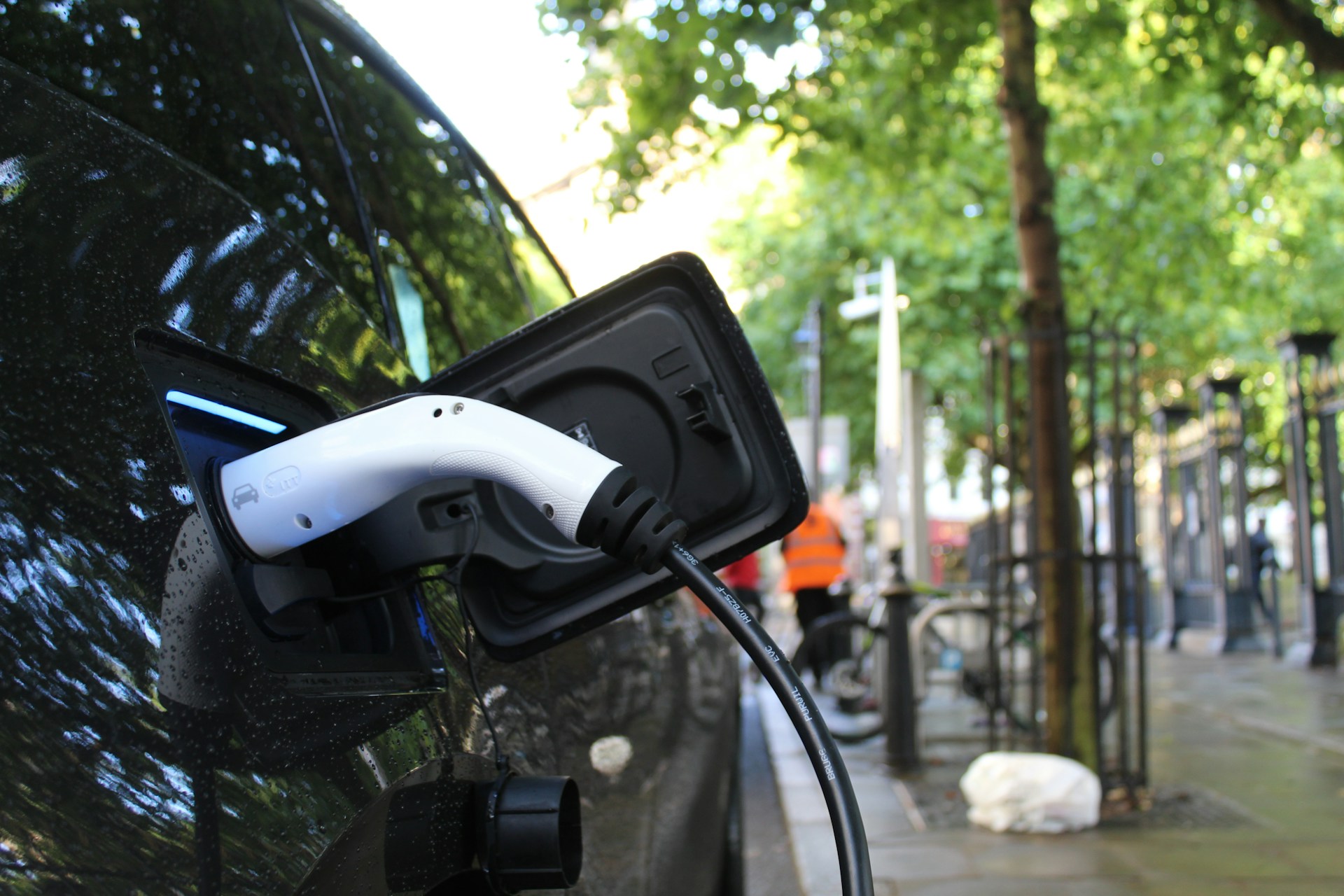
As more cities focus on clean transportation, parking lots are becoming key places for building EV infrastructure. In a place like Vancouver, where electric vehicles are already a common sight, having proper charging in commercial and mixed-use lots is starting to feel like a basic need rather than a plus. People need places to charge while they work, shop, or live.
That is why EV charging station installation in Vancouver is no longer just an idea for the future. It is part of the everyday conversation for businesses, property owners, and planners. Installing chargers takes thought, but when done right, it can make a big difference. From early planning to wiring for future needs, we are sharing some of the best practices to help build better charging lots.
Planning for Space and Usage
A good charging setup begins with understanding how the space is used. Not every lot will need the same number of chargers or the same speed of charging.
Look at how the lot is used now and how it might change. Are people staying for long or just popping in? A retail parking lot might need fewer or slower chargers than one at an office building.
Think about Level 2 or fast chargers depending on average dwell time. Level 2 chargers work well for longer visits, while fast chargers are better suited for shorter stops with quicker turnover.
Make sure the lot layout supports charging. Charging spots should be easy to get to without blocking others or causing traffic jams.
Consider the grid. How much power is already available? Will upgrades be needed to support new equipment?
Electric Asset Inc. offers turnkey installation services for commercial parking lots, including planning charger numbers and types to fit the location's unique use pattern and mix of daily users.
Planning with today’s needs in mind while keeping tomorrow in view can help avoid major changes down the line. When thinking about user convenience, also consider accessibility for all drivers and the smooth flow of both traffic and people throughout the lot. Clear signage and painted lines help everyone see which spots are available for charging. It is smart to check where people usually walk or drive, as blocking pathways may cause frustration and confusion.

Meeting Local Rules and Power Requirements
Before breaking ground on any charging setup, it is important to check what is allowed and what needs approval. Vancouver has its own building codes and permitting process.
Start by looking into permits, zoning, and local climate rules. Each city has specifics about where and how chargers can be placed.
Call the power company early. They can help explain what the site can support or if upgrades are needed.
Safety comes first. Every charger should meet current standards for outdoor wiring, weather safety, and grid connection. That means things like access to transformers and understanding where meters are located.
Electric Asset Inc. helps clients navigate Vancouver’s permitting and utility process, handling coordination from site assessment and city requirements through to final inspection.
Partnering with people familiar with Vancouver’s power systems and permitting process often makes the work smoother and helps catch small problems before they grow. Rules aren’t always the same from place to place, so it is helpful to ask city staff or your installer for a rundown of rules before work begins. Making sure you get all the right forms signed will help projects move forward without last-minute holdups.
Smart Features and Load Management
Newer systems often come with smart charging features. These are not just tech extras, they help make the whole setup work better for both drivers and the building.
Managed or networked systems allow multiple chargers to share the power that is available without straining the system.
Load sharing helps prevent blown circuits or downtime when too many cars plug in at once.
These systems are easier to grow later. Add another charger without redoing all the wiring, thanks to modular planning and timed charging options.
Electric Asset Inc. supplies networked charging and load management technology, enabling parking areas to add stations flexibly as usage goes up, while keeping energy use predictable and grid impact low.
Setting up with load management in mind helps buildings avoid both outages and surprise upgrades in the future. Smart charging features may also give you more data about how chargers are being used, making it easier to adjust as needs grow or shift. Some setups allow remote monitoring, making problems easier to catch and fix before they cause bigger headaches.
Weatherproofing and Safety Measures
Vancouver’s coastal air and rainy conditions mean not every charger is a good fit. Stations in open-air lots need to be able to handle the local weather.
Stick with equipment designed for outdoor use, with sealed housings to protect components from water and corrosion.
Look beyond the charger itself. Add bright lighting so people feel safe using chargers at night or before sunrise.
Build clear walkways that avoid puddles or slippery paths. This helps people of all abilities feel safe moving between the lot and charger.
Weather-ready setups stay functional through the year and help create a safer, more welcoming space for EV drivers. If a charger is out in the open, it is important to check where water might pool and make sure cords and drivers are not left in the wet. Good lighting also helps people find chargers in the dark and discourages any unwanted activity.
It is worth considering how snow and ice might affect charging as well. Even if heavy snow is rare in Vancouver, the right planning can help keep the station usable year-round.
Future Readiness and Growth Planning
What is working today may feel a bit small five years from now. EV use is growing, and charger demand is expected to grow with it.
Leave room to add more chargers later. That does not just mean space between vehicles, but space in conduit, wiring, and grid access.
Think about solar integration or battery storage, even if it is not installed yet. Designing with future energy systems in mind now makes upgrades easier later.
Look at broader EV trends, and talk to people in the area about what kind of vehicles they are seeing more often. Planning for local needs always works best in the long run.
Electric Asset Inc. can design parking lot charging solutions with scalability and solar or battery options ready, giving each property a clear path to upgrade as demand grows.
Infrastructure that grows with demand avoids expensive overhauls and keeps the space useful for years to come. Taking time now to run extra conduit or space out panels during early installation is easier than tearing up pavement later. Asking about trends in vehicle types, like whether more plug-in SUVs are showing up in the area, can also help set priorities for both size and power needs.
Making Charging Work for Drivers and Buildings
A strong charging setup does not just make life easier for EV drivers, it supports the overall building too. Smart planning helps avoid energy stress, meet local rules, and keeps lots functioning smoothly.
Installations done with care today can reduce pressure on power systems and help everyone get where they need to go. From charger placement to safety checks, every part of the process matters. When charging is planned with both people and power in mind, parking becomes more than a place to leave a car. It becomes a space that is ready for the future of driving.
When planning upgrades to a commercial or shared-use parking lot, the setup matters just as much as the reason behind it. We have worked with properties across Vancouver to help prepare for the shift to electric transportation. From layout to load management, every step plays a part in making sure things run smoothly without surprises. To learn how we support smart EV charging station installation in Vancouver, contact Electric Asset Inc. today.


