
Top 5 Questions About EV Charging Regulations in BC (Answered)
Top 5 Questions About EV Charging Regulations in BC (Answered)
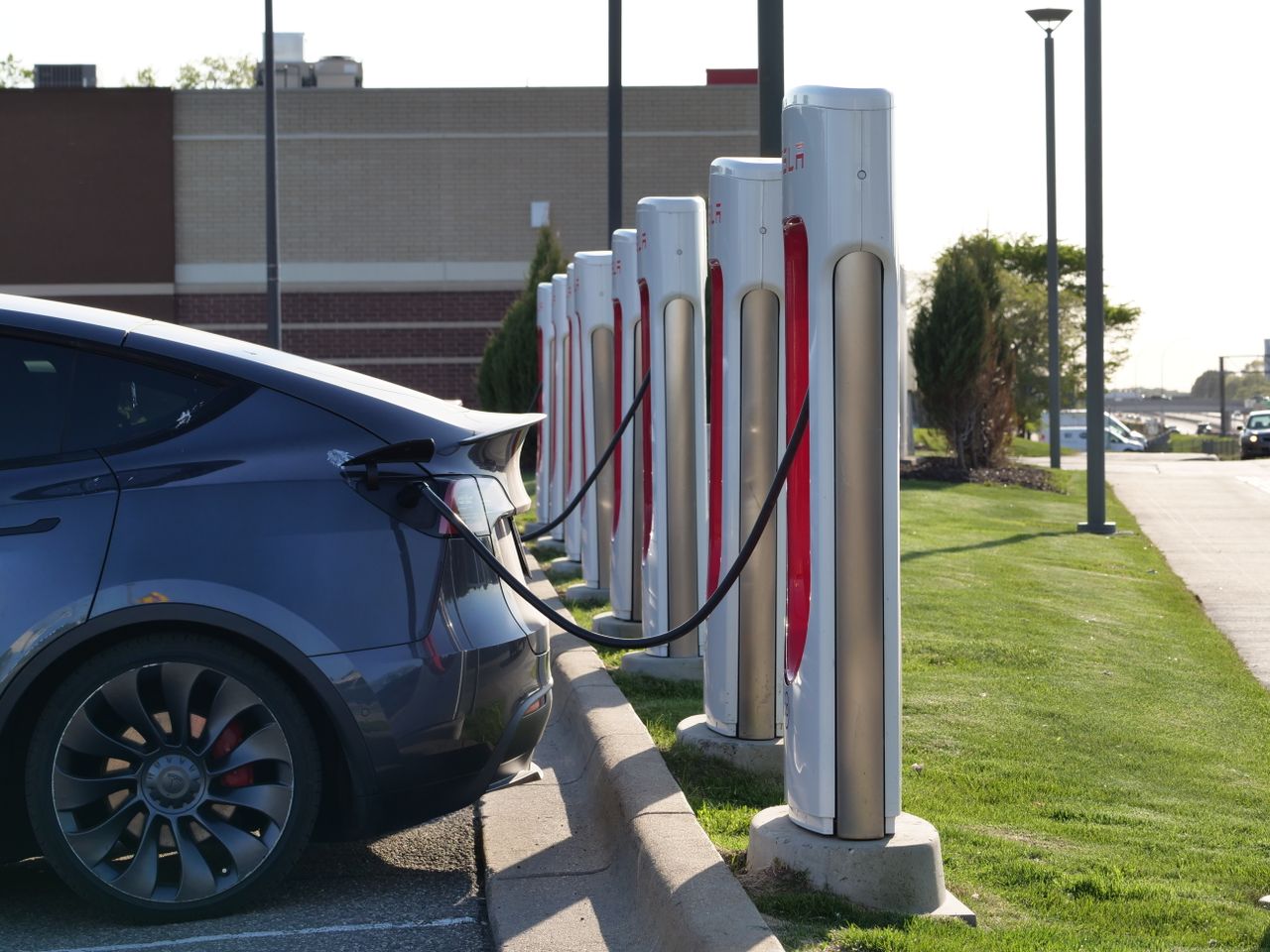
EV charging regulations in British Columbia have been shifting quickly in the last few years. For anyone planning to add chargers, whether it's for a single-family home, condo, or shared commercial lot, understanding the rules is step one. There are permits to consider, local codes to follow, and sometimes shared agreements in the mix. If you're in Vancouver or nearby, speaking with an EV charging specialist in Vancouver can help bring clarity to what's allowed, what's required, and how to get started without roadblocks later.
Summer is a good time to review the basics. Installers are busy, and cooler weather isn't far off. Now’s the moment to make sure your project gets on the right track before autumn slows things down.
Do I Need a Permit to Install an EV Charger at Home or in a Condo?
This depends on the building and where you’re located in BC. For most homes, yes, a permit is required before work starts. City governments or local inspection offices often handle those. If you live in a condo or multi-unit building, it can get more complicated.
Homeowners usually apply through a licensed electrician who arranges the permit and oversees the work.
In condos, the strata council may be the one to apply, especially when the install affects shared electrical panels or common infrastructure.
Inspections are usually booked after installation, and they focus on safe wiring, secure mounting, proper grounding, and working disconnects.
Electric Asset Inc. regularly handles all aspects of permitting and inspection for home, condo, and commercial EV charger installs across British Columbia.
Always check the local process before pulling in gear. Skipping permits or inspections can lead to shutoffs, failed projects, or extra costs later.
What Codes and Safety Standards Do EV Chargers Have to Meet?
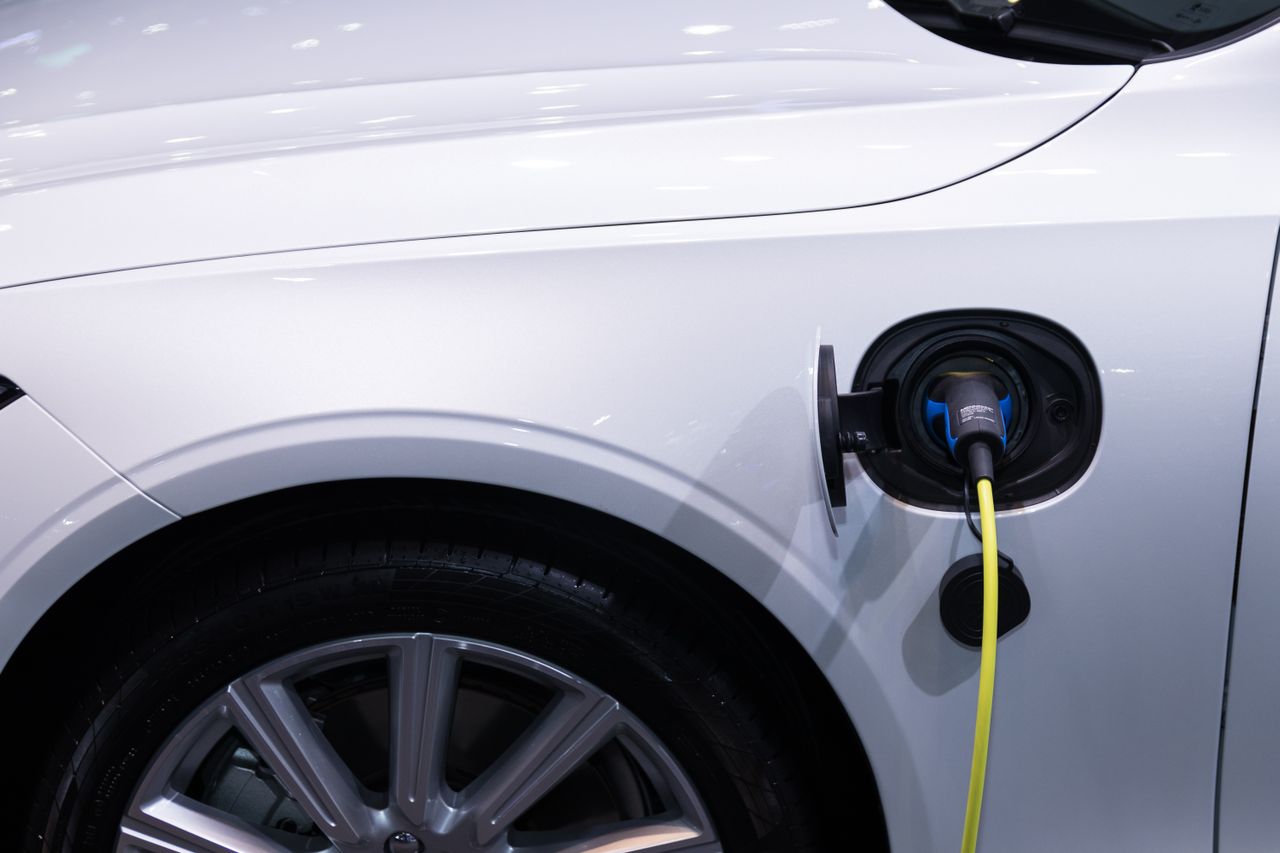
EV charging gear is governed by the Canadian Electrical Code along with additional rules specific to British Columbia. Safety officers use these codes when reviewing permits, inspecting setups, or investigating complaints.
Chargers must have approved certification marks and be installed by licensed tradespeople.
Dedicated circuits, breaker sizing, and cable protection are a few of the key inspection points.
Updates for 2024 included changes around load calculation and wiring methods for EV supply equipment.
Electric Asset Inc. installs only certified charging systems that meet or exceed all code and safety requirements for every property type.
Making sure your charging setup meets code isn’t just about compliance. It protects your electrical system from overload and fire risk. A certified installer will work with the latest code updates already in mind, which reduces your chances of inspection delays.
What Are the Rules for EV Charger Sharing in Multi-Unit Buildings?
Shared charging setups are common in condos, especially when not every resident has a personal parking spot. But charger sharing only runs smoothly if there are rules in place from the start.
Strata councils can update bylaws to cover charger use, scheduling, and maintenance.
Public spots need signage to show when charging is allowed and who has access.
Smart load management systems let buildings avoid full capacity upgrades by balancing power between chargers based on usage.
These systems help multiple users charge without overloading the existing panel. This is useful when expanding slowly, like adding a few chargers now and more in the future. If load details are unclear, an EV charging specialist in Vancouver can walk through what’s possible under a building’s current setup.
Who covers the cost of charger installation, property owner, tenant, strata, or province?
That mostly depends on where the charger is going and who asked for it.
In single-family homes, the homeowner usually handles the entire cost.
For condos, the owner of the parking stall may pay for the charger, but the strata could cover shared system upgrades if the install benefits the building long-term.
In commercial spaces, costs may be split between landlords and tenants, depending on lease agreements.
BC offers provincial grants and rebates, but eligibility depends on things like ownership, charger type, and location. Some programs apply only to shared units. That’s why getting help with planning matters. A good strategy brings together financial options, energy limits, and parking needs so there are no surprises.
Electric Asset Inc. helps clients in Vancouver access the latest rebates and incentive programs available for home, condo, and commercial charging projects.
How Do Local Rules Differ Between Cities in BC?
Each city has its own permitting process, bylaws, and parking rules. Vancouver’s system, for example, might differ from what’s expected in places like Burnaby or Surrey.
Some cities require new buildings to have EV-ready stalls, while others are still catching up.
There may be location limits on where chargers can be installed, whether on walls, pedestals, or near drains.
Repainted curbs, public language signage, or charger placement near pedestrian paths can also affect approval.
Reading your city’s specific EV policies before signing a contract can save time and frustration. Some city inspectors will request things others won’t. It all hinges on local requirements.
What to Know Before You Get Started
Across British Columbia, EV charger rules are more detailed than people expect. It’s not just plug and play. Especially in buildings with shared power or parking, there’s often a web of approvals to figure out before work starts.
Preparing during summer gives you a better shot at getting everything done smoothly, without needing to rush before winter sets in. Week-long delays for inspections or bylaws can easily stretch into full-month waits later in the year. Whether you're planning one install or several, asking the right questions now helps everything charge ahead without setbacks.
At Electric Asset Inc., we understand how local rules and shared power setups can turn a simple install into something more involved. Whether you're upgrading a home charger or need help in a condo, the right approach makes all the difference. Talking with an EV charging specialist in Vancouver can help you line things up properly the first time. If you're planning a project this summer, now's a good time to get started. Reach out to us to talk through your plans and get the answers you need.


